Seasonal
Where to See Cherry Blossoms in Shanghai (2026 Peaks, Parks & Timing)
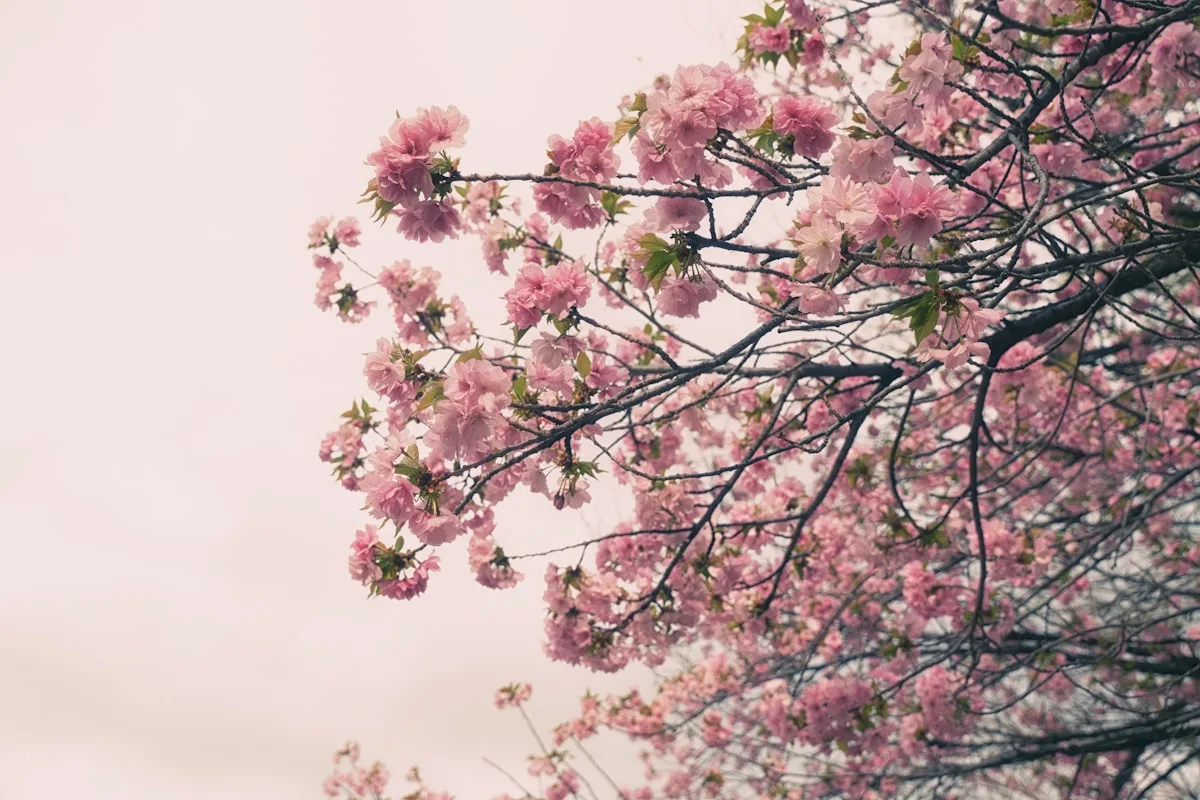
Shanghai’s cherry blossom season is shorter, later, and — some locals would argue — better than most people expect. Because the city sits further south than Tokyo, its sakura (樱花, yīnghuā) normally peaks in the last week of March through the first week of April, roughly two to three weeks after Japan’s headline bloom. That timing is actually a gift: if you’re in or passing through Shanghai during late March, you can catch a genuinely beautiful bloom without flying anywhere.
The catch is the season’s fragility. Peak bloom lasts only about seven to ten days, and a single heavy rain can end it overnight. Your window is narrow. This guide tells you exactly where the blooms are densest — and where the crowds are smallest — so you can actually get the pink, not just a postcard of it.
Why the timing works differently in Shanghai
Shanghai’s climate is humid subtropical, with a slightly later and more compressed spring than northern Japan. In an average year the sequence runs like this:
- Mid-March: the first early varieties (usually single white-pink, e.g. kanzakura) appear, mainly at Gucun Park.
- Last week of March: the main glory — thousands of Somei Yoshino-type trees hit full bloom across the city.
- First week of April: the later double-blossom varieties (yae) hold on, and everywhere else begins to drop.
- After heavy rain: expect an abrupt end. The petals fall fast once water hits full bloom.
The Shanghai Meteorological Bureau publishes an annual sakura forecast (usually in early March), plus the major parks track their own bloom status online. Check both before you go — a day or two of difference is everything.
The two star locations
Gucun Park (顾村公园) — the serious bloom experience
If you only go to one place, make it Gucun. A vast park in Baoshan District at the north end of Line 7 (Gucun Park station), it holds over 12,000 cherry trees across enough varieties that the bloom is staggered — you get usable color for two-plus weeks rather than a single peak weekend.,
Practical notes:
- Entry fee: around ¥20 during the annual Cherry Blossom Festival; free outside the festival window. Bring cash and a phone for the QR entry.
- Best time: weekdays before 10 AM. Weekends are shoulder-to-shoulder with local families.
- What to expect: wide lawns, food stalls, a small lake, and a southern lawn area that’s ideal for a picnic under the trees.
- Metro: Line 7 to 顾村公园 station, then a short walk. It’s ~40 minutes from People’s Square.
Tongji University (Siping campus)
The most famous urban sakura spot in the city. In late March the 樱花大道 (cherry-blossom avenue) near the Siping Road campus turns into a full canopy of pink for about ten days. It’s free, on Metro Line 10 (Tongji University station), and it gives you that classic arched-tunnel-of-blossoms photograph.,
Practical notes:
- Entry: free, but bring a passport — the university registers visitors at the gate and controls access during peak week.
- Best time: late March, 7–9 AM, when the lanes are empty and the light is soft.
- Worth knowing: the trees run along the main walkway heading north from the entrance. Follow that line; don’t wander into teaching buildings.
Hidden spots locals prefer (less chaos, still gorgeous)
- Century Park (世纪公园), Pudong — a couple of thousand trees with lakeside views, wide lawns, and room to breathe. Metro Line 2, Century Park station.
- Daning LingShi Park (大宁灵石公园) — a quiet Japanese-style garden section with a small stream and white-blossom varieties. Free and calm.
- West Bund boardwalk along the Huangpu — scattered blossom trees set against industrial-revival architecture; the sunset walk is lovely.
- Guilin Park (桂林公园) — famous for autumn osmanthus, but its early period also has plum and early cherries that open before the main rush.
Each of these is a shareable, distinct experience — not just “another park with pink trees.”
Which park is right for you? A quick comparison
| Spot | Crowds | Best for | Entry |
|---|---|---|---|
| Gucun Park | High on weekends | Serious viewing, variety, lawn picnics | ~¥20 in festival |
| Tongji (Siping) | High, but opens early | Free city-center canopy walk | Free |
| Century Park | Moderate | Space, lakeside, families | Low fee |
| Danning Ship park | Low | Quiet calm, photography | Free |
Getting the shot: photo and etiquette tips
- Go at first light: soft light, empty lanes, mood lifts. The hour after sunrise is magic in Japanese-style gardens.
- Frame the sky, not the ground: the pink canopy looks best against a clean sky or architecture.
- Use a fast shutter — spring drizzle is common; a crisp sports-mode or a small umbrella-free window helps.
- Etiquette: don’t shake branches to make petals fall. It damages the trees and locals will call it out. Take only photos.
- Dress code: avoid all-pink or all-white; a neutral beige or denim pops best in front of the blossoms.
Making a morning of it
Even if you start early, don’t race. The loop that works: arrive before gates open → walk the main avenue/university lanes first for empty photos → find a lawn for breakfast (baozi + soy milk) → wander the quieter garden sections as crowds build → leave by 11 AM. That two-hour block, done right, is more memorable than a whole rushed rush day.
FAQ
When is the best weekend to visit Shanghai for the blossoms? The last weekend of March, if the weather holds — but it’s also the busiest. A weekday in the same week is ideal.
Is it worth going to Gucun over the city spots? If you want variety-of-bloom and a full fair, yes. If you’re short on time and just want the classic tunnel photo, Tongji is enough.
What happens if it rains? Blossoms loosen after any rain; after heavy rain at peak, many drop. Fall back to the double-blossom varieties, which are more petal-set and hold better.
Do I need to book in advance? Gucun festival and Tongji national-day-style entry may need registration/QR. Check park announcements a week before.
Related reading: Free things to do in Shanghai · Shanghai with kids · Yu Garden · What to do in spring weather · Day trips from Shanghai
Independent editorial guide, updated March 2026 for the spring season. Entry fees, bloom dates and access rules change — verify on the official park sites before you travel.